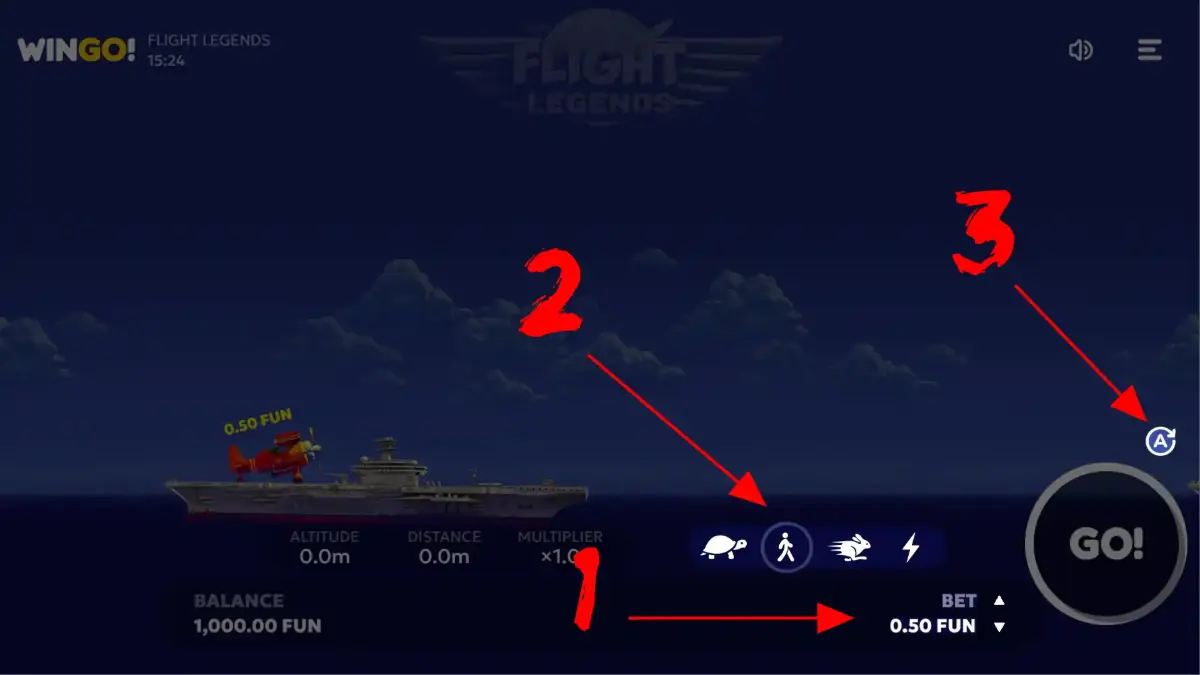
The emergence of online gaming has brought forth a myriad of genres, one of which is flight simulation games. Among them, “Flight Legends” has carved a niche, attracting players with its immersive experience and intricate mechanics. However, a recurring question among the community is whether the game’s reliance on Random Number Generation (RNG) outcomes is fair. This report delves into the mechanics of RNG in “Flight Legends,” examining its implications on gameplay and player satisfaction.
At its core, RNG is a system used to produce random outcomes, often employed in gaming to create unpredictability and enhance the gaming experience. In “Flight Legends,” RNG influences various elements, including loot drops, aircraft performance, and mission outcomes. While this randomness can introduce excitement and variability, it also raises concerns regarding fairness and competitiveness.
One of the primary issues surrounding RNG is the perception of fairness. Players often invest significant time and resources into the game, only to face outcomes that seem arbitrary. For instance, when two players engage in a combat scenario, the player with superior skills may still lose if the RNG favors their opponent with critical hits or advantageous conditions. This unpredictability can lead to frustration, particularly among competitive players who feel that their skills are undermined by chance.
Moreover, the psychological aspect of RNG cannot be overlooked. Players may experience a phenomenon known as “loss aversion,” where the pain of losing a hard-earned reward due to an RNG outcome outweighs the joy of winning. This can lead to disengagement from the game, as players may feel that their efforts are futile against the whims of chance. Additionally, the excitement of rare loot drops can quickly turn sour if players perceive that their chances are disproportionately low, creating a sense of inequity.
However, it is essential to recognize that RNG can also enhance the gaming experience when implemented thoughtfully. In “Flight Legends,” the developers have made efforts to balance RNG elements, introducing mechanics that allow players to influence outcomes to some degree. For example, players can improve their aircraft’s performance through upgrades, which can mitigate the impact of unfavorable RNG outcomes. This approach encourages players to invest in their skills and strategies, creating a more engaging and rewarding experience.
Furthermore, the community’s response to RNG in “Flight Legends” has been mixed. Some players appreciate the thrill of unpredictability, relishing the challenge of overcoming obstacles that RNG presents. Others, however, advocate for more transparency and control over RNG mechanics. This has led to discussions within the community about potential adjustments, such as implementing systems that provide players with more predictable outcomes based on their skill level or efforts.
In conclusion, the fairness of RNG in “Flight Legends” is a nuanced topic that reflects broader themes in gaming. While RNG can introduce excitement and variability, it also poses challenges related to fairness and player satisfaction. Balancing these elements is crucial for the game’s longevity and player engagement. As developers continue to refine the mechanics of RNG, the ongoing dialogue within the community will play a vital role in shaping the future of “Flight Legends” and its approach to randomness in gameplay.